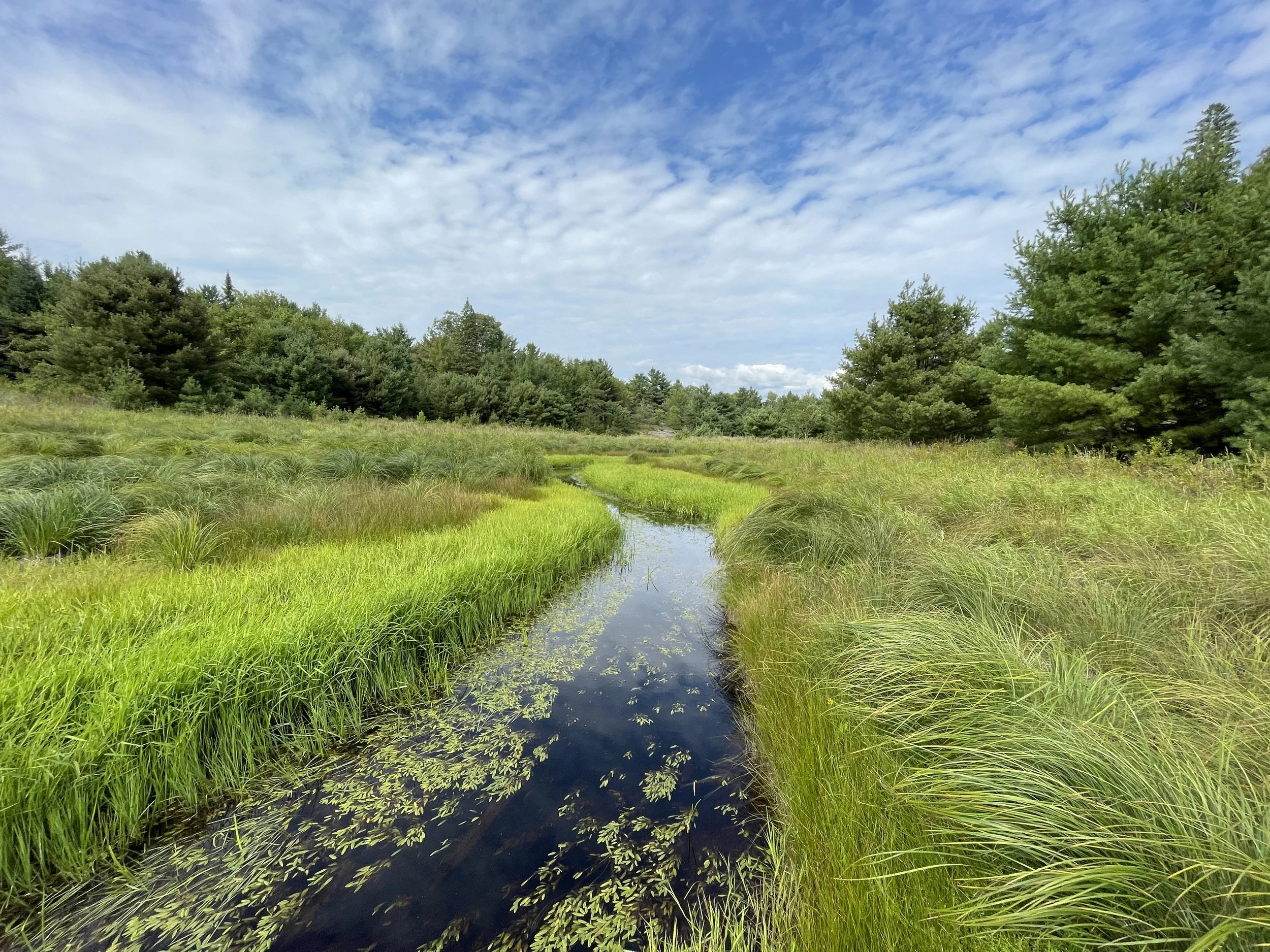
Who we are
Shawanaga First Nation’s Species-at-Risk team (SFNSAR) is a group of experienced biologists, technicians, and land guardians dedicated to the protection and conservation of species-at-risk and their habitats. We use an community informed approach that combines Traditional Ecological Knowledge (TEK) and Western science. SFNSAR is a part of Shawanaga’s Lands and Resources Department, and operates out of the Shawanaga First Nation Administration Office (the Band Office).
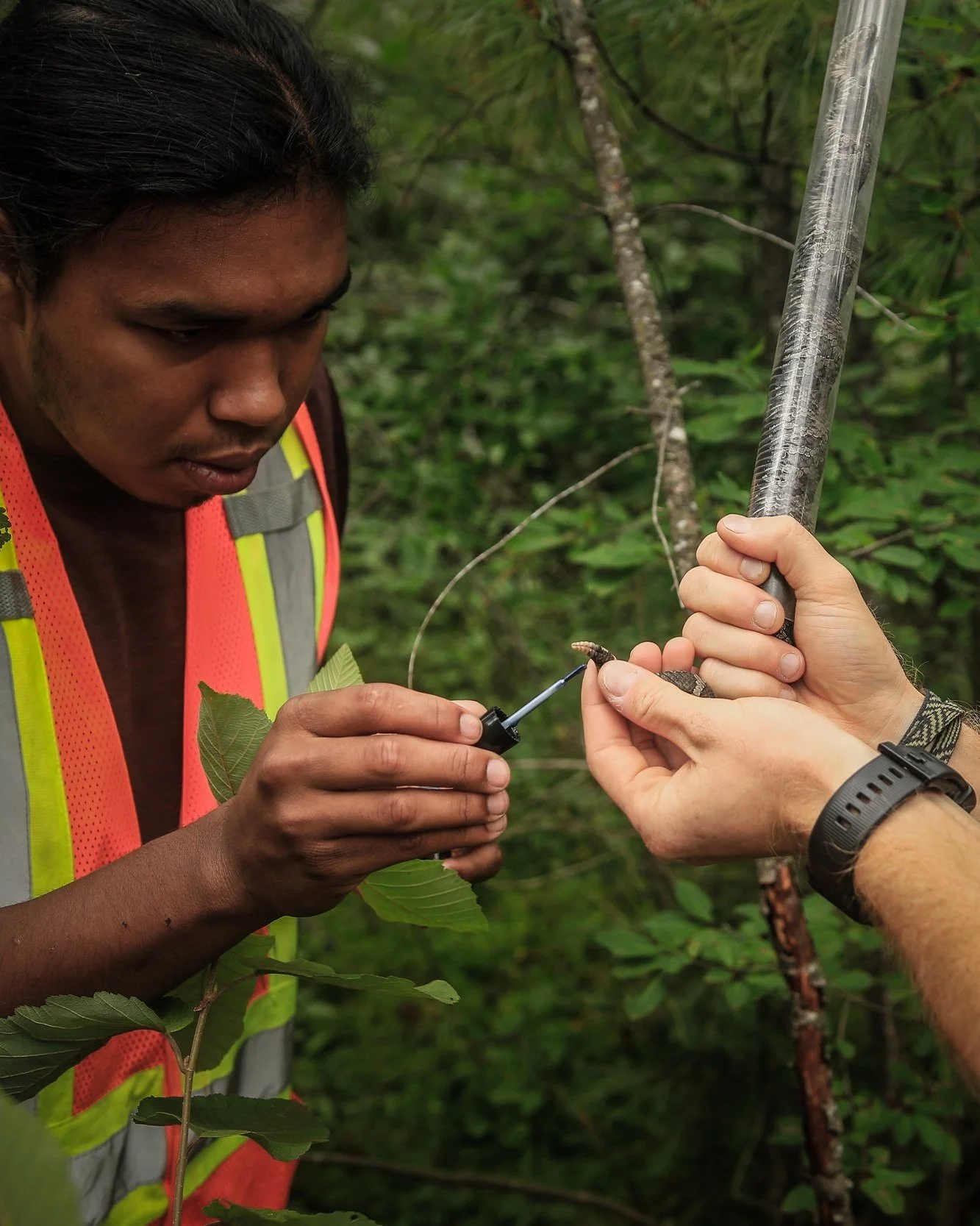
Species Monitoring
The team conducts extensive fieldwork and research on a variety of at-risk species, including turtles, snakes, wolves, fish, and bats. We use techniques such as mark-recapture, radio telemetry, and road mortality surveys to monitor and protect these species. Data from our research is used to inform various management plans and future developments within the community, helping to secure the wellbeing of local wildlife for generations to come.
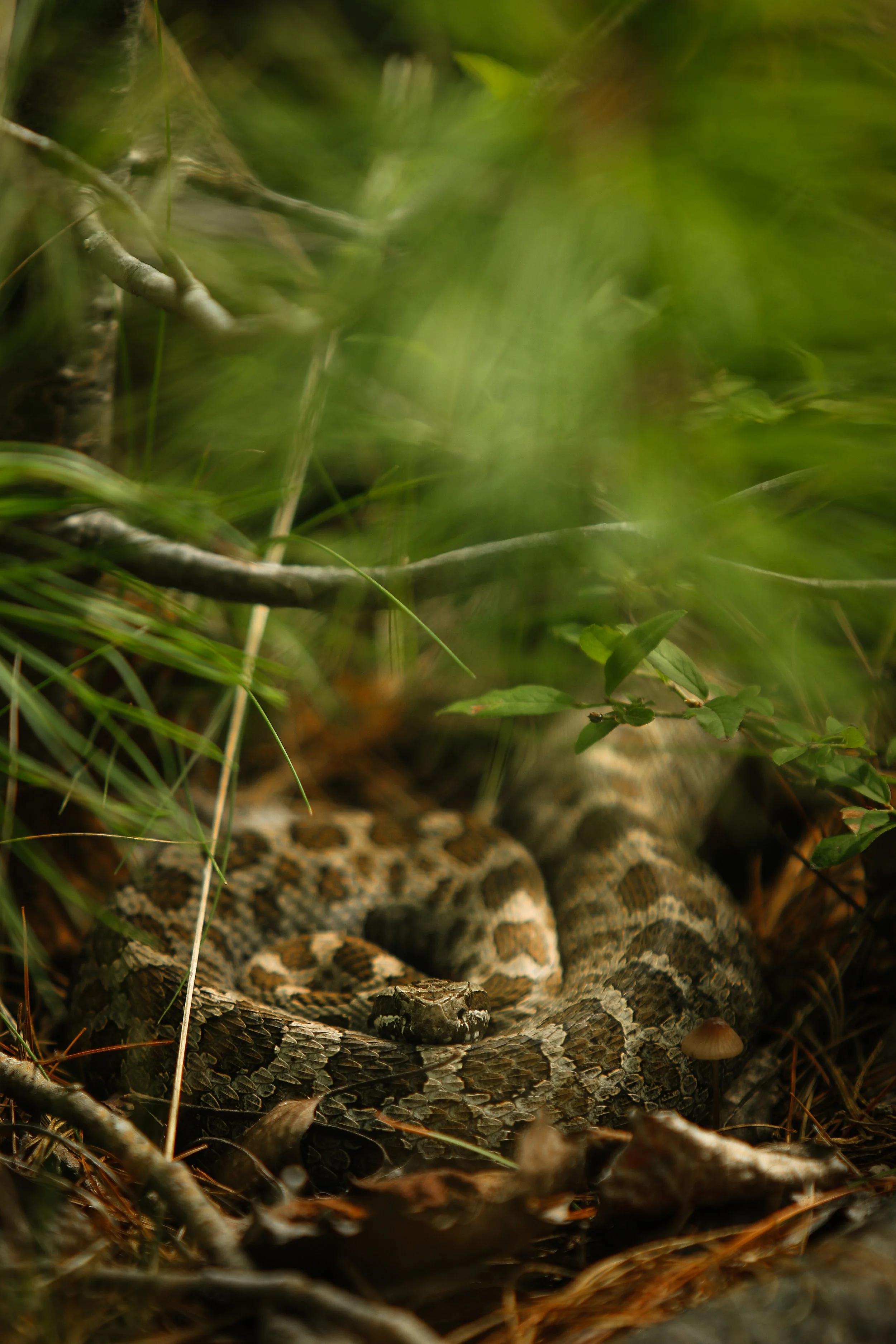
Community Outreach
Education and outreach are central to SFNSAR’s mission. We host knowledge-sharing events, run indoor and outdoor activities with the local school, and attend at community events whenever possible.
SFNSAR aims to foster strong relationships within our community and with other First Nations, facilitating the exchange of traditional knowledge, and promoting awareness, understanding, and active participation in local conservation efforts.
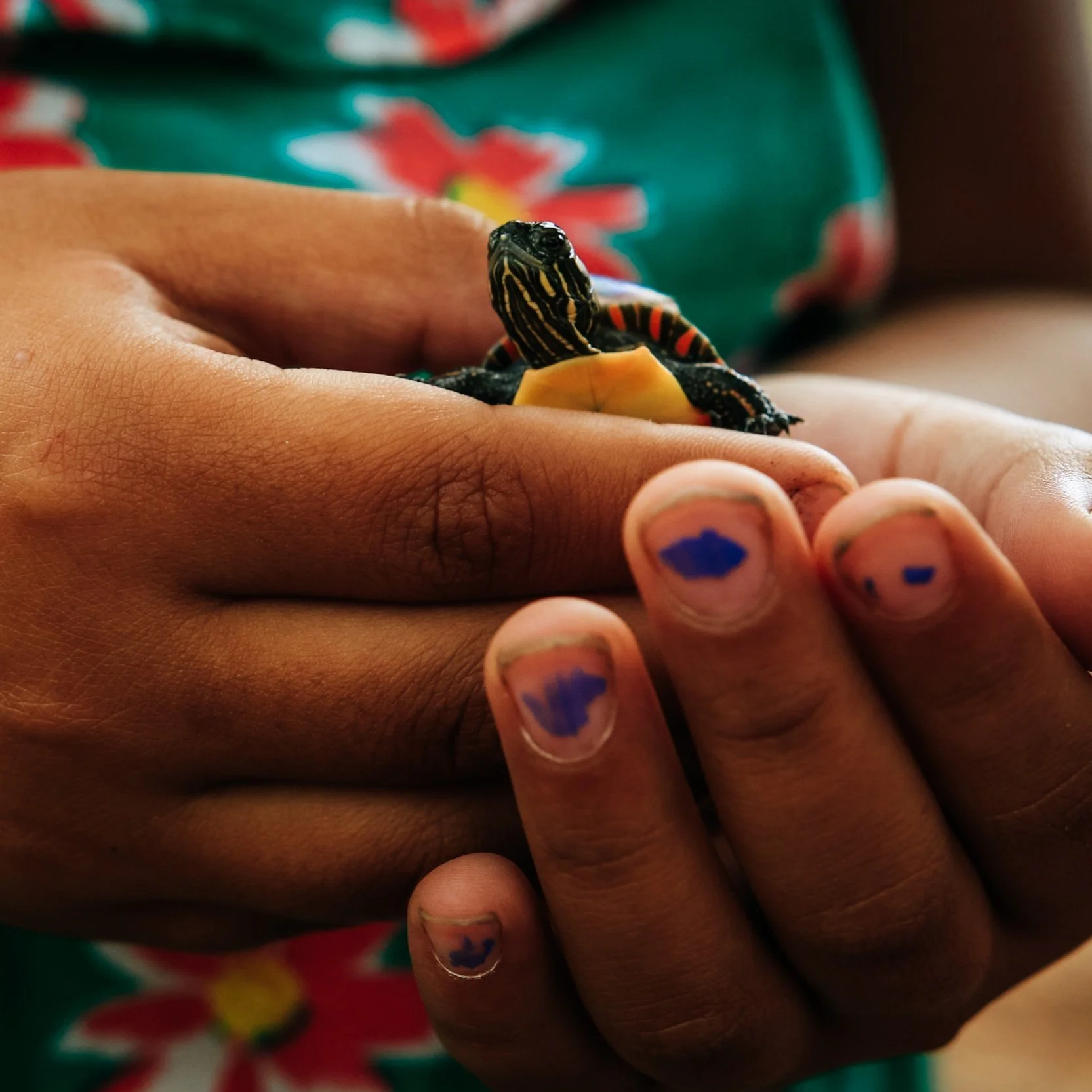
Land & Habitat Restoration
The team actively works to conserve and restore native land through initiatives like invasive species management. This work includes surveying and mapping land, removing invasive species, and engaging with the community and partners.
To help increase food sovereignty, we have planted native trees and apple trees at Shawanaga Landing and built a new community greenhouse at the Healing Centre.
Additionally, the team has assisted in the management of the the Shawanaga Island IPCA since the inception of the project. Recent developments include the establishment of designated campsites complete with thunderboxes and signs, annual “BioBlitz” events, and educational signage installed at Eastern Doorway, Hole-in-the-Wall, and Shawanaga River.