Shawanaga
First Nation
Species-at-Risk
Maamwi Anjiakiziwin Initiative
“together, land, renewal, life”
Explore the coastal conservation collaborative of First Nations and Nonprofits across eastern Mnidoo Gamii (Georgian Bay) through six new engaging story maps!
Walk with us!
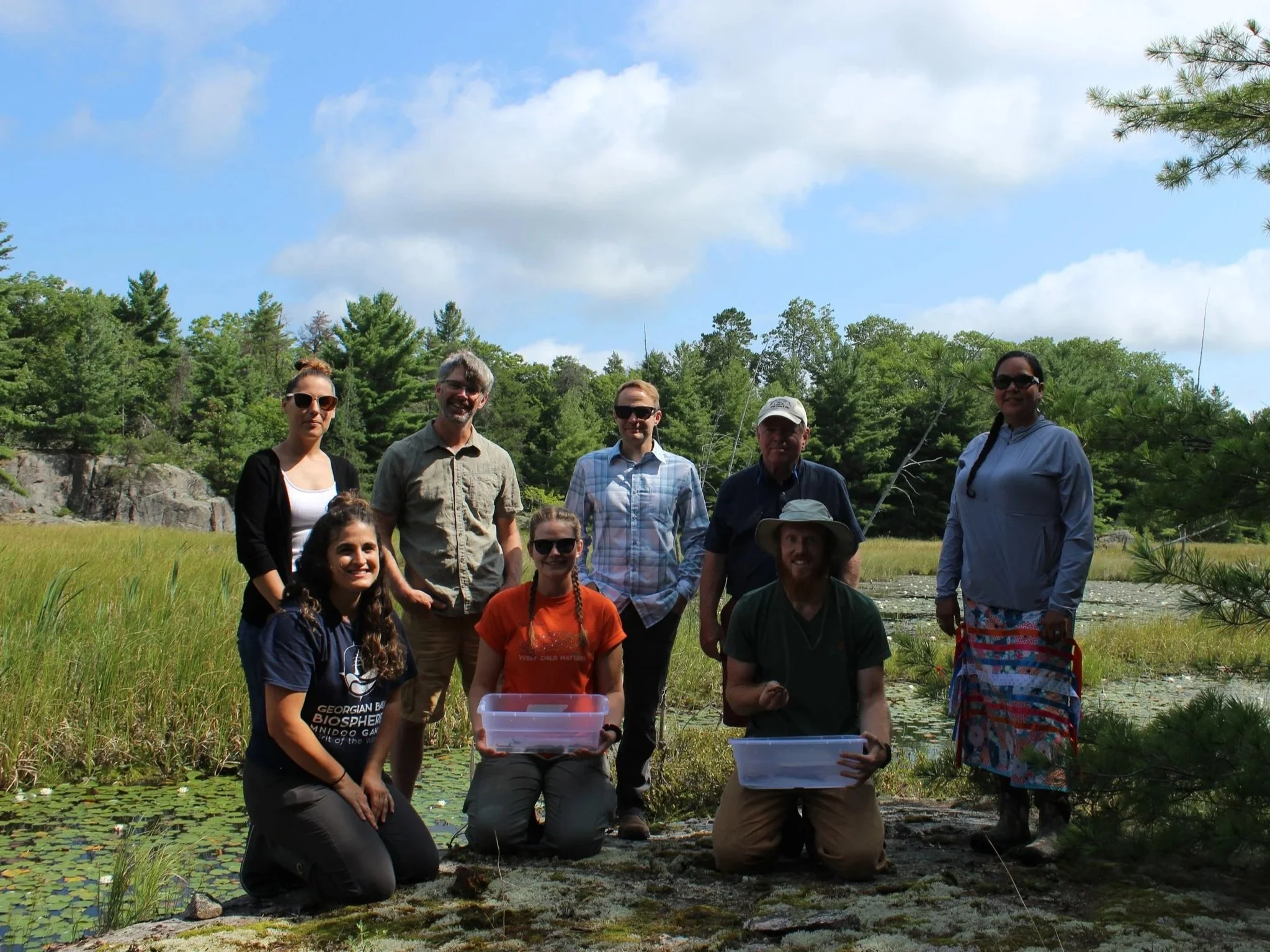
Shawanaga First Nation has partnered with Mnidoo Gamii Georgian Bay Biosphere (GBB) for an exciting new habitat mapping project. Community members can earn $200 per day to walk with SFN & GBB staff during the duration of this project. No experience required. Click the button below for more info.
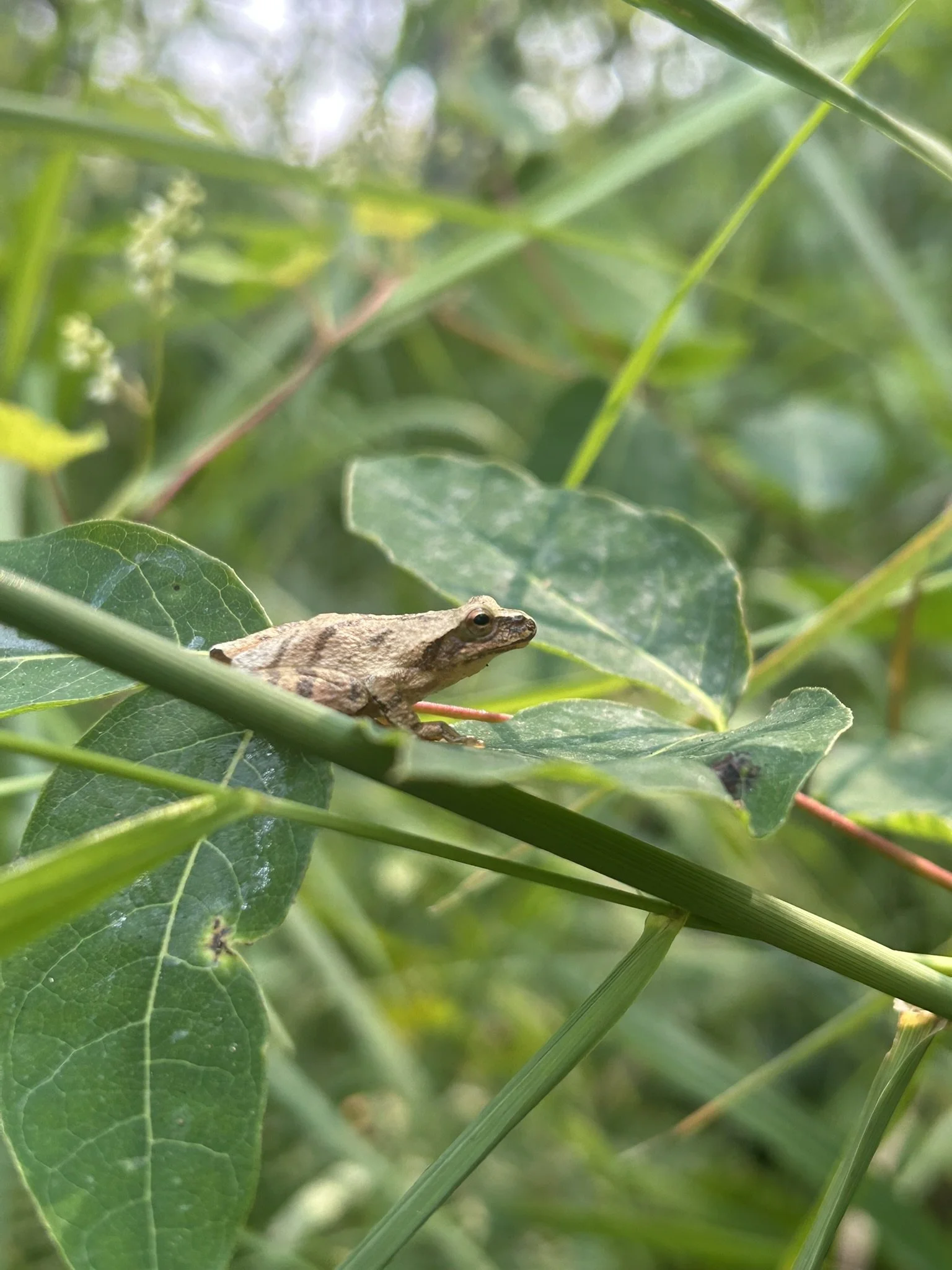
Take a tour through our Video Library…
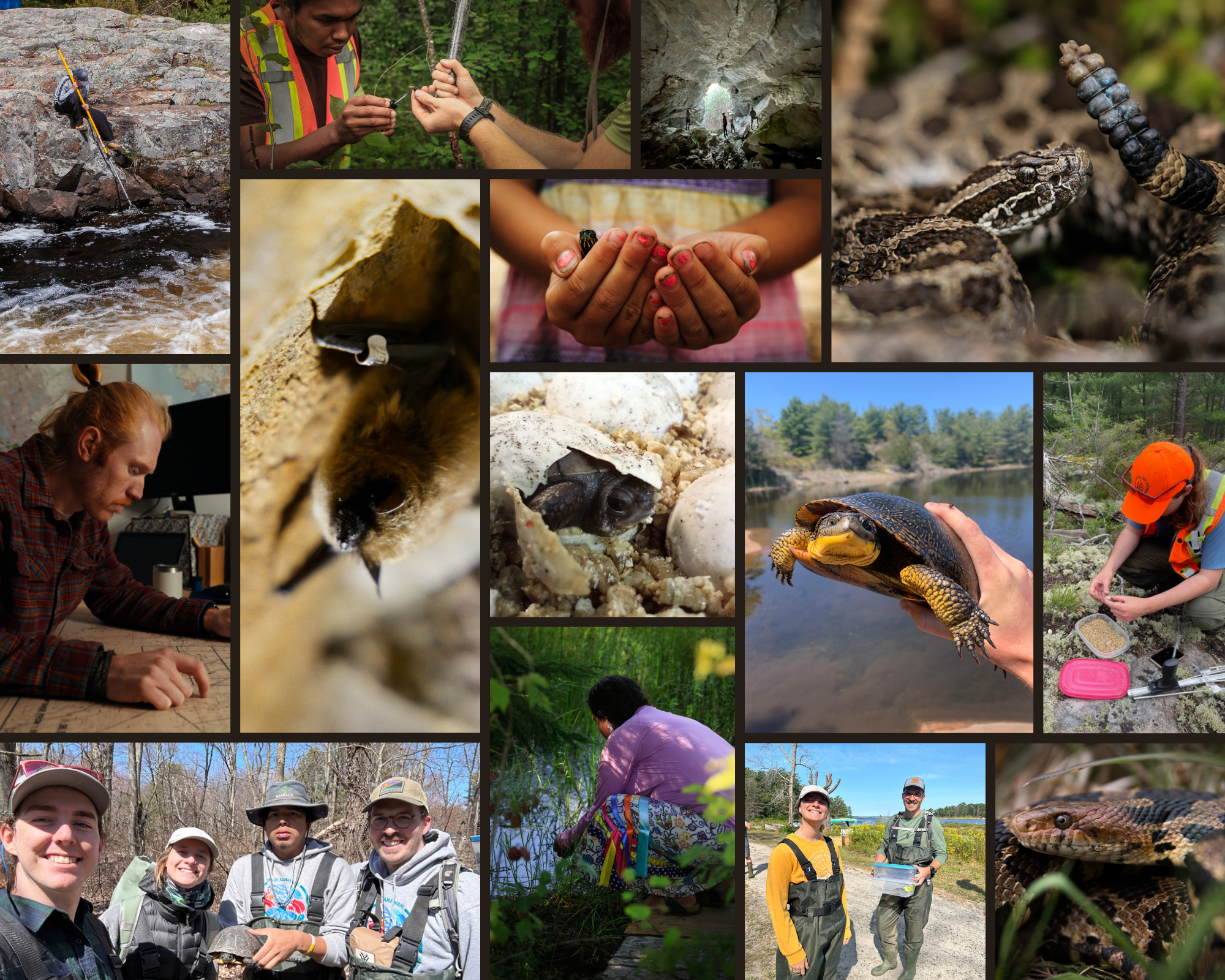
We sometimes partner with filmmakers to capture conservation stories, or even make our own short films in-house. We’ve recently released two new films with footage from the bat work in the community!
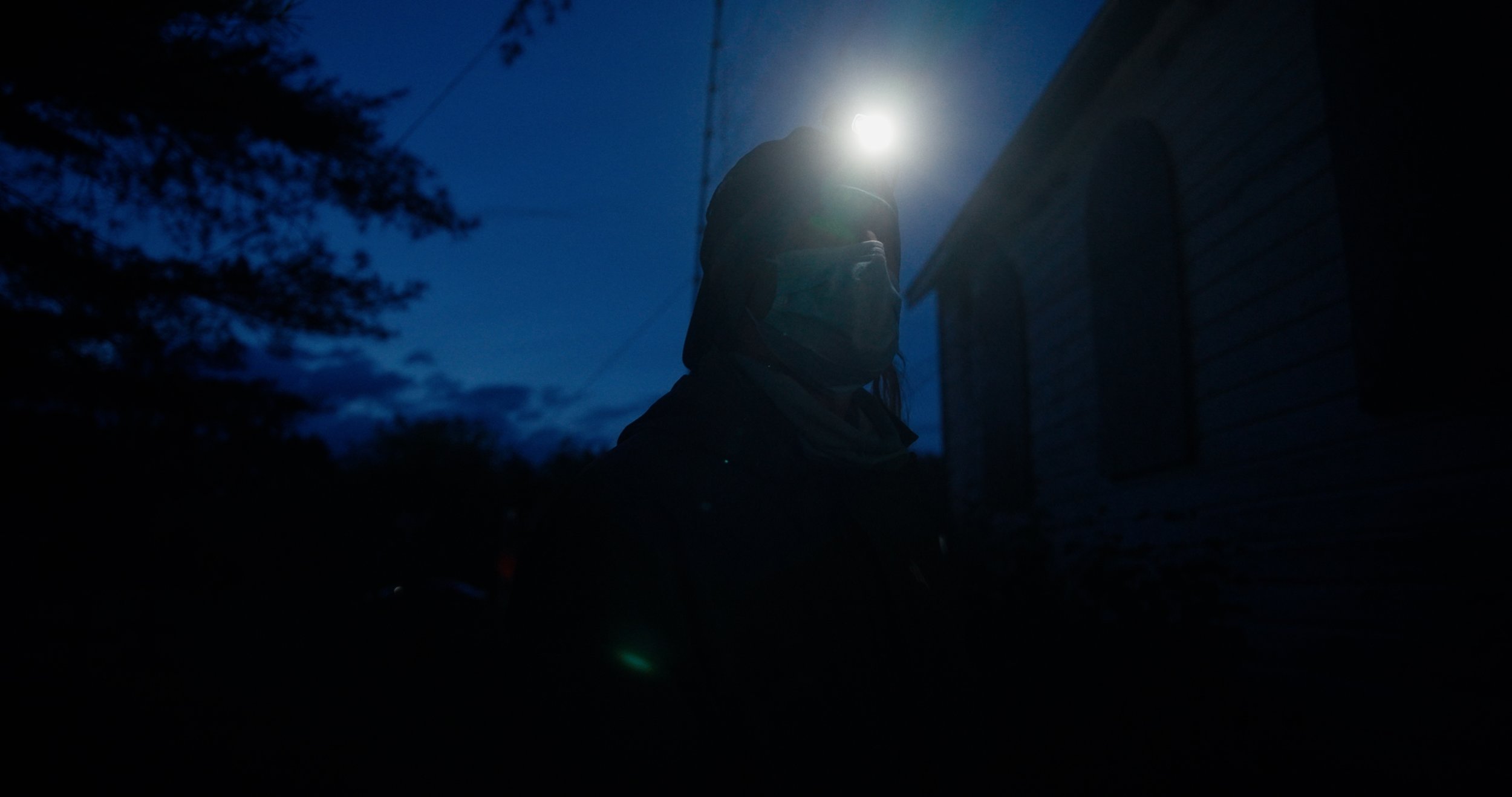
Join us for exciting events!
Our events page is updated regularly with upcoming community events like turtle releases, snake walks, bat nights, and more!
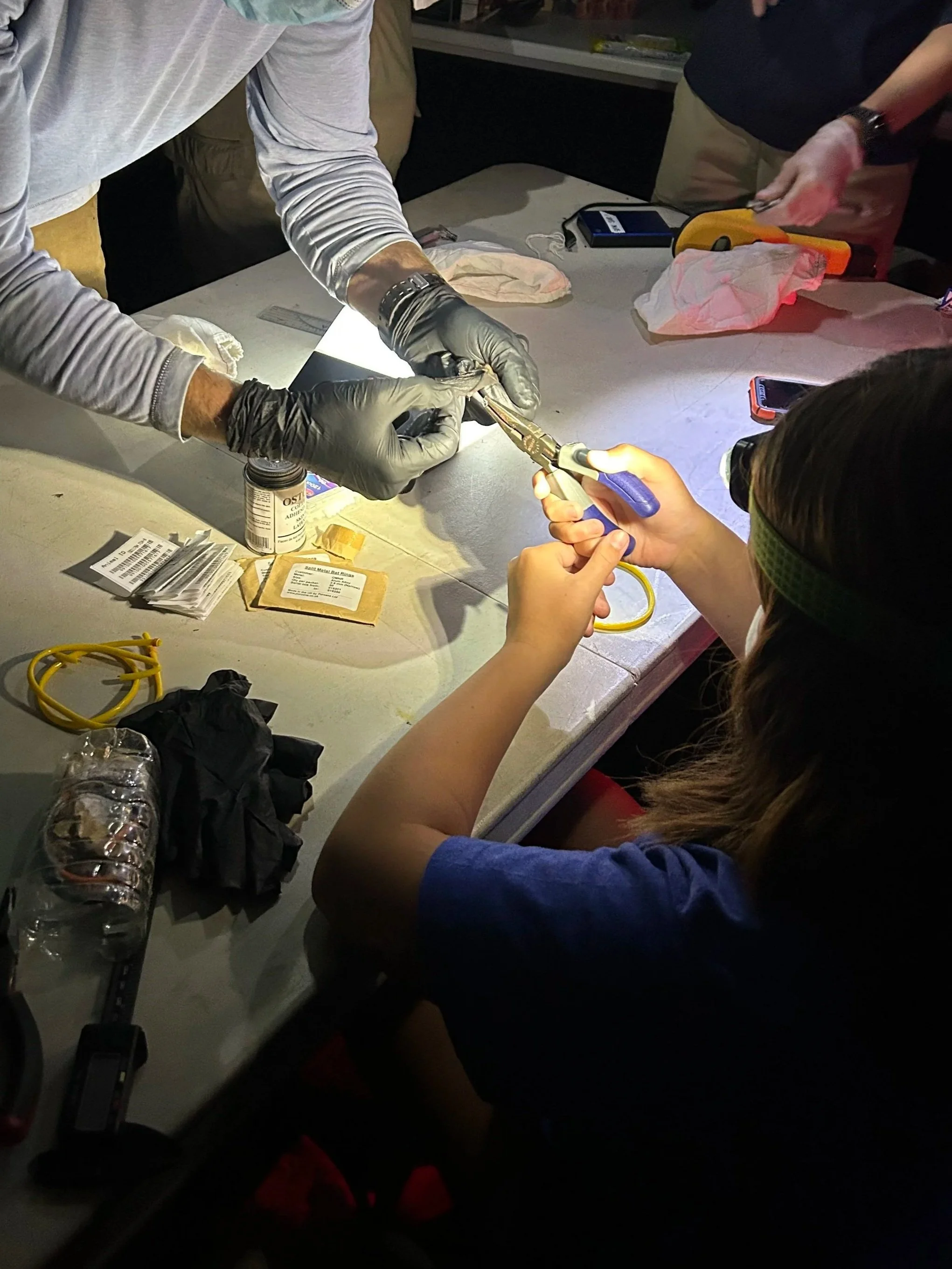
The SFN Species-at-Risk team is committed to protecting and conserving species-at-risk and their habitats through an approach that combines Traditional Ecological Knowledge (TEK) and Western science.
Conservation through a two-eyed Lens
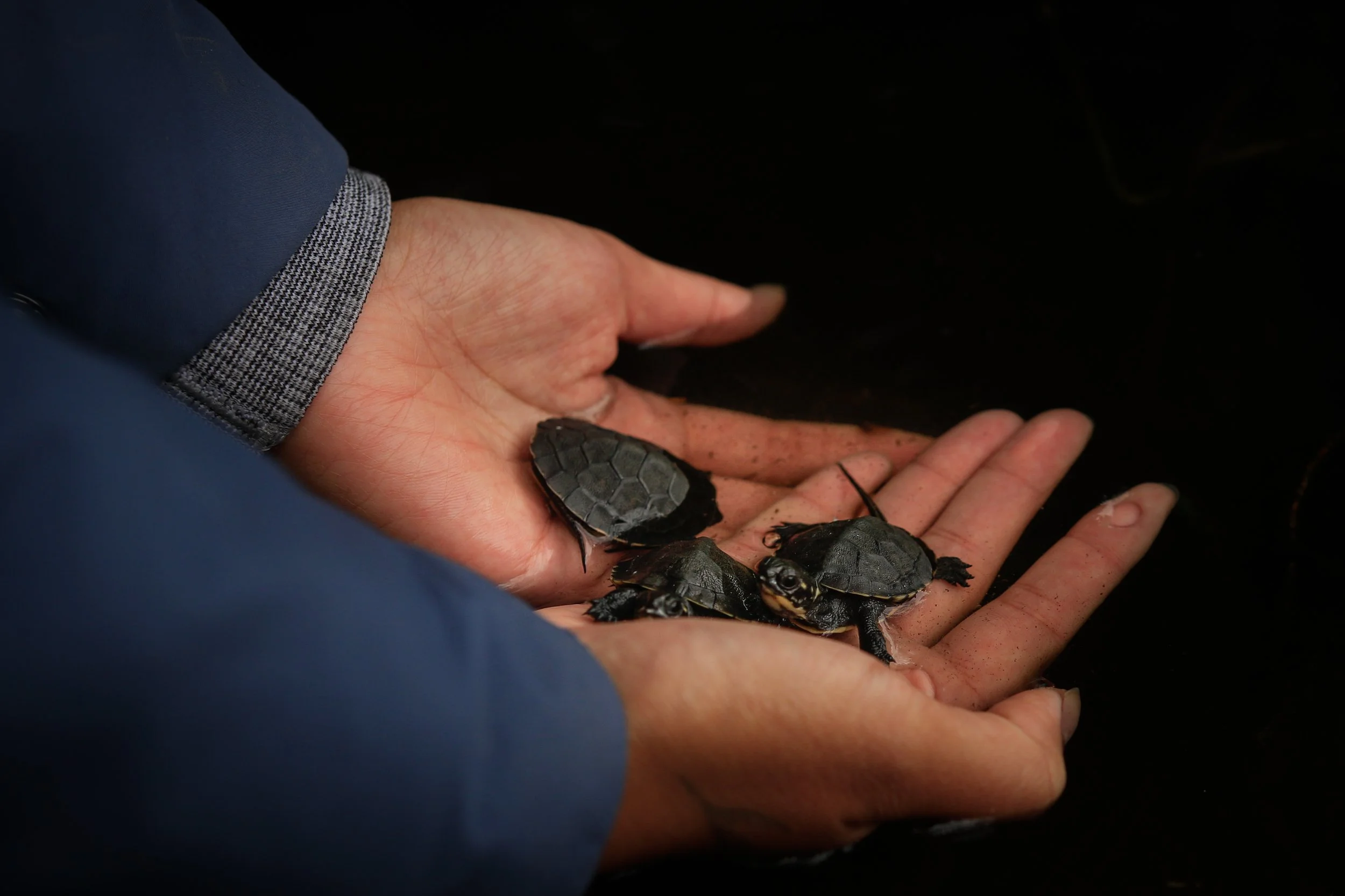
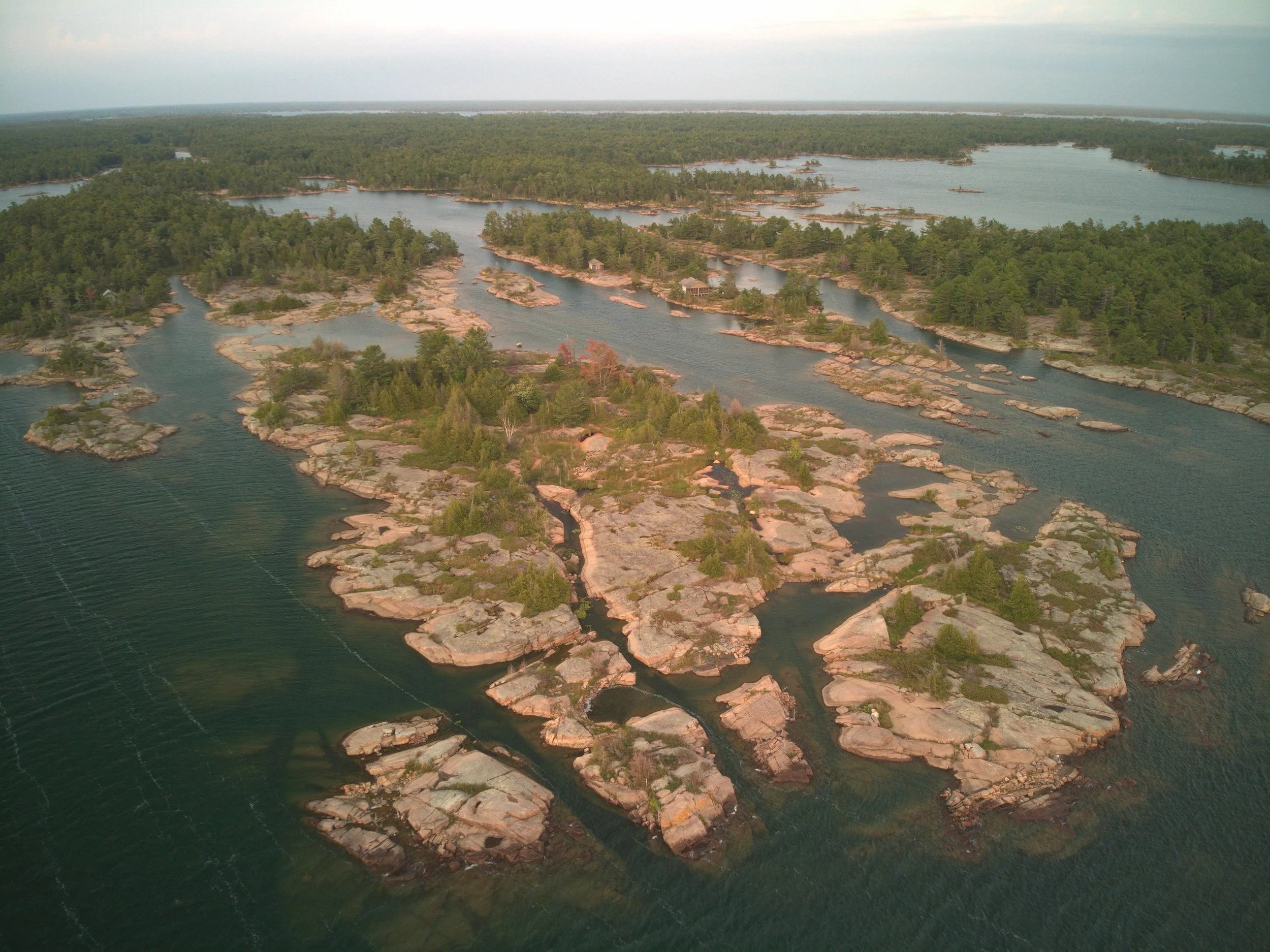
Shawanaga Island IPCA
Shawanaga First Nation has continually demonstrated their commitment to the stewardship of Shawanaga Island, which has been used for recreation, hunting, and cultural practices for generations. Learn more about Shawanaga Island as an Indigenous Protected and Conserved Area by visiting the website.