Little Brown Myotis (Myotis lucifugus)
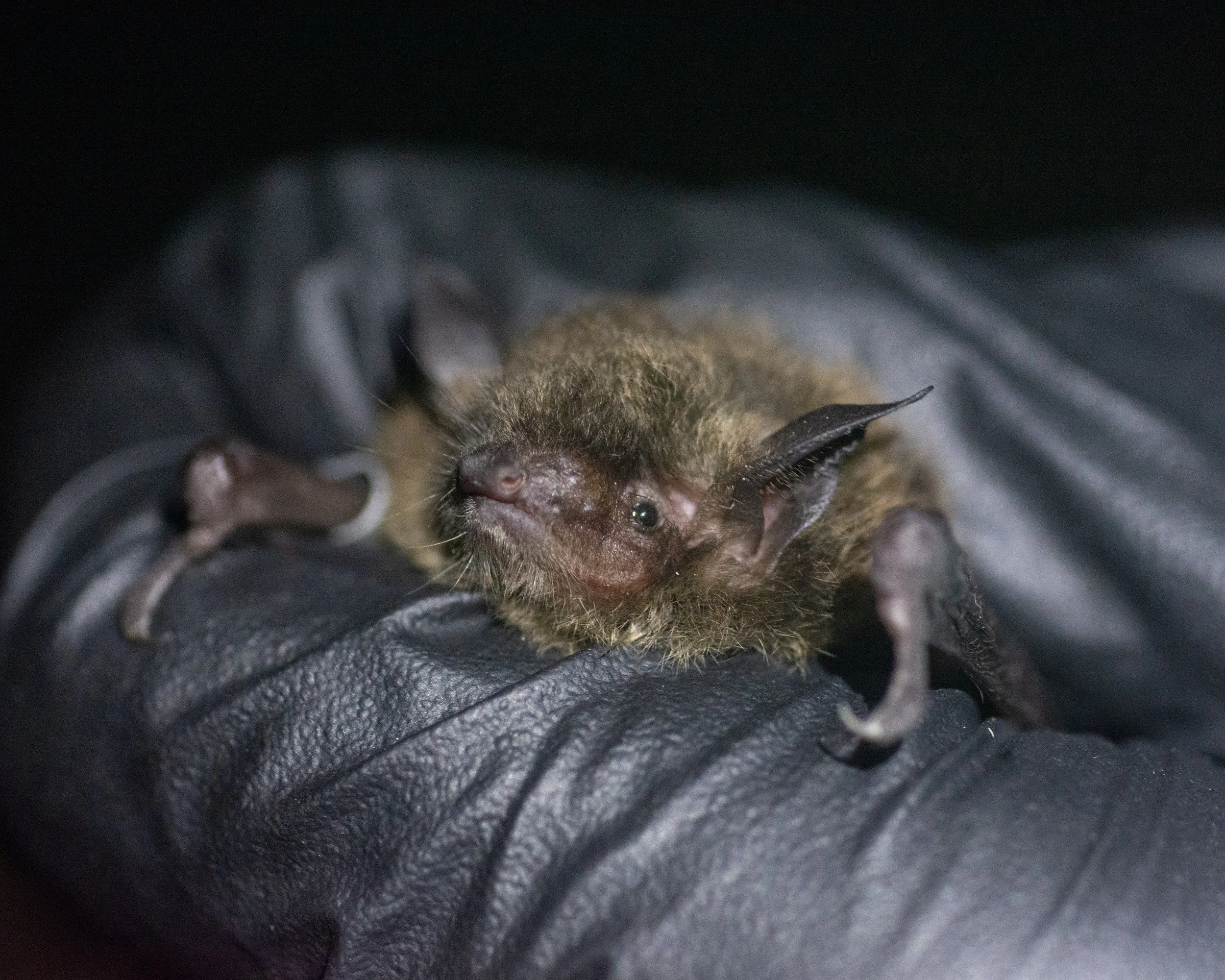
Status: Endangered
The little brown bat is the most common species that we find here at Shawanaga First Nation. This bat measures 8-10 cm in length and usually weighs between 7-9 grams. Little brown bats are a hibernating species and will usually overwinter in caves and abandoned mines.
Eastern small-footed Myotis (Myotis leibii)
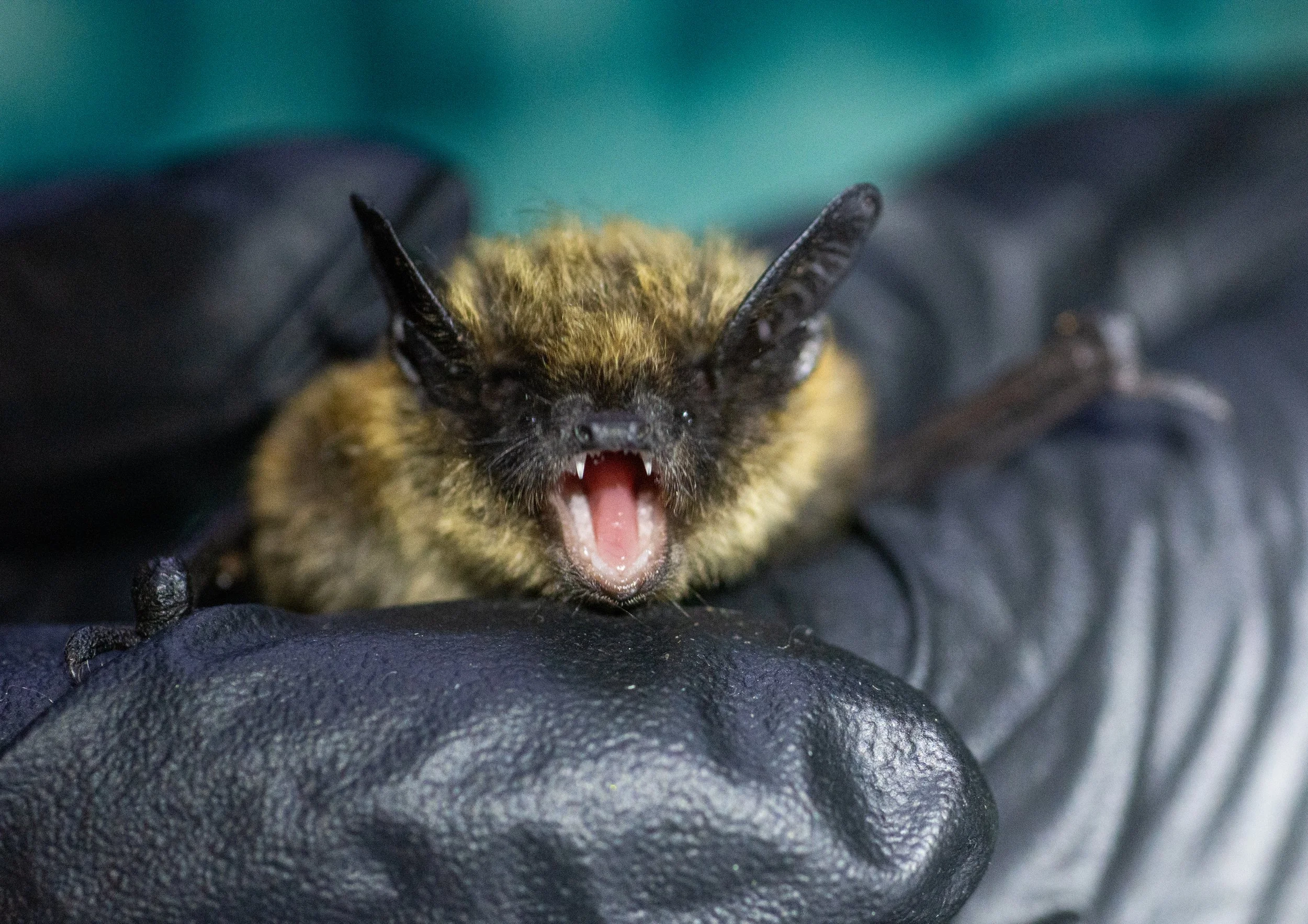
Status: Endangered
The Eastern small-footed bat is our smallest bat in Ontario and looks similar to that of a little brown bat but has a striking black mask and black ears. This bat measures around 8 cm in length and only weighs around 4 or 5 grams. The Eastern small-footed is another hibernating species and will usually overwinter in caves and abandoned mines.
Silver-Haired Bat (Lasionycteris noctivagans)
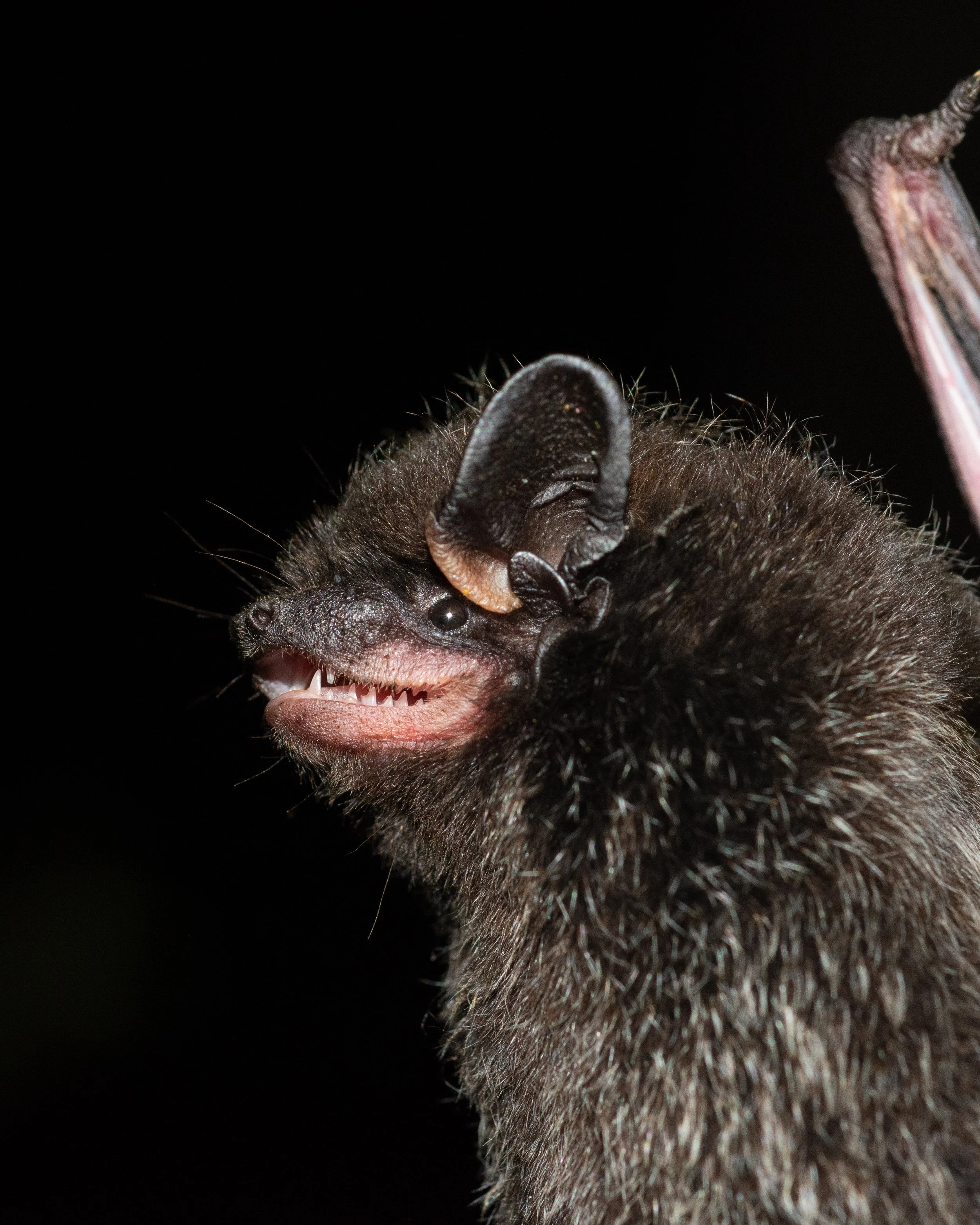
Status: Assessed by COSWIC, waiting to be up listed
The silver-haired bat is a dark coloured bat with grey or silver tips of fur. This bat measures 9-11.5 cm and usually weighs between 6-14 grams. The silver-haired bat is a migratory species and will travel outside of Canada during the winter months.
Status: Assessed by COSWIC, waiting to be up listed
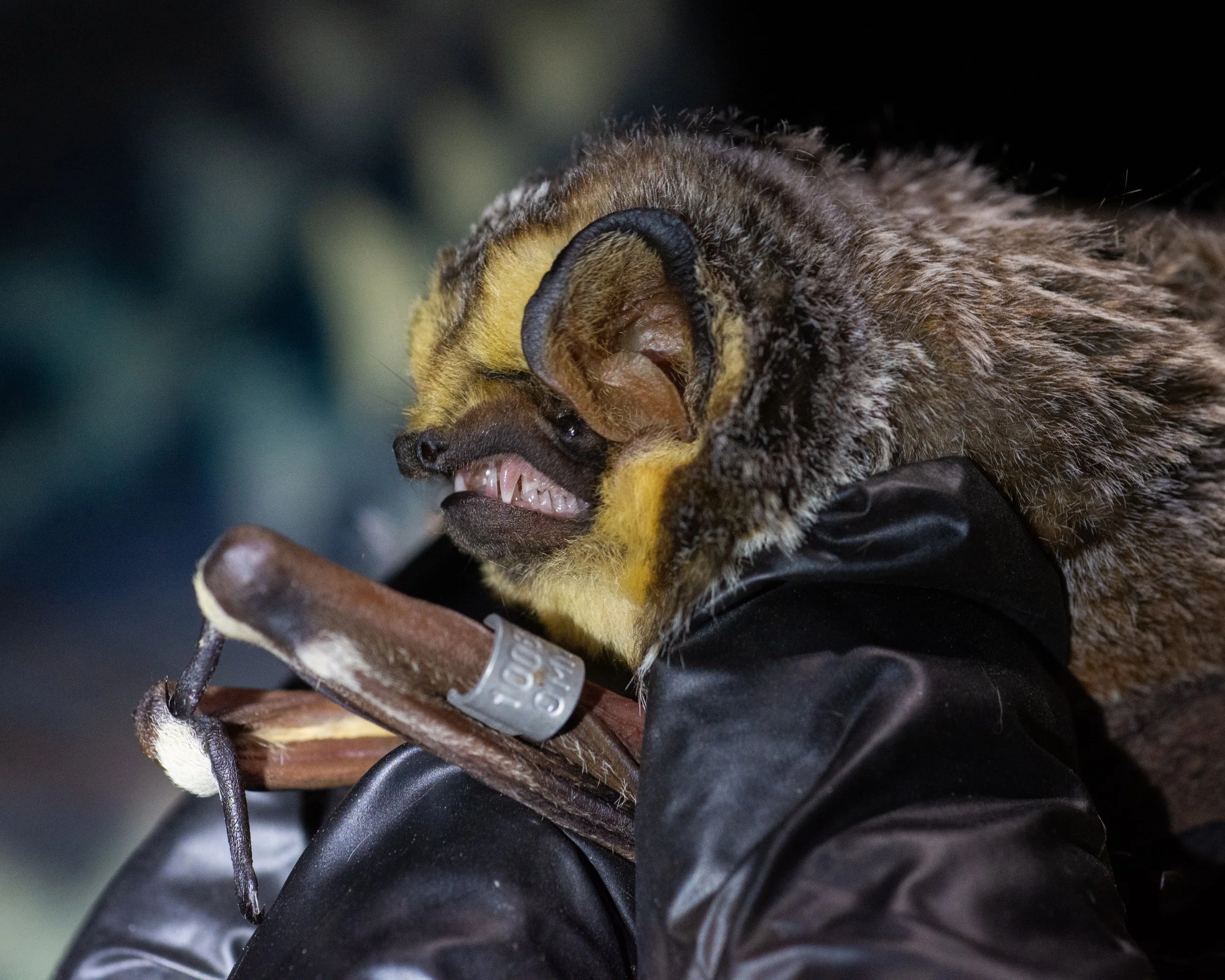
Hoary Bat (Lasiurus cinereus)
The hoary bat is our largest bat in Ontario with a length of 10-15 cm and weighing 19-35 grams. This bat has an overall grey body with white-tipped hairs and a yellowish or toffee-coloured hair surrounding the face and throat. The hoary bat is a migratory species and will travel outside of Canada during the winter months.
Big Brown Bat (Eptesicus fuscus)
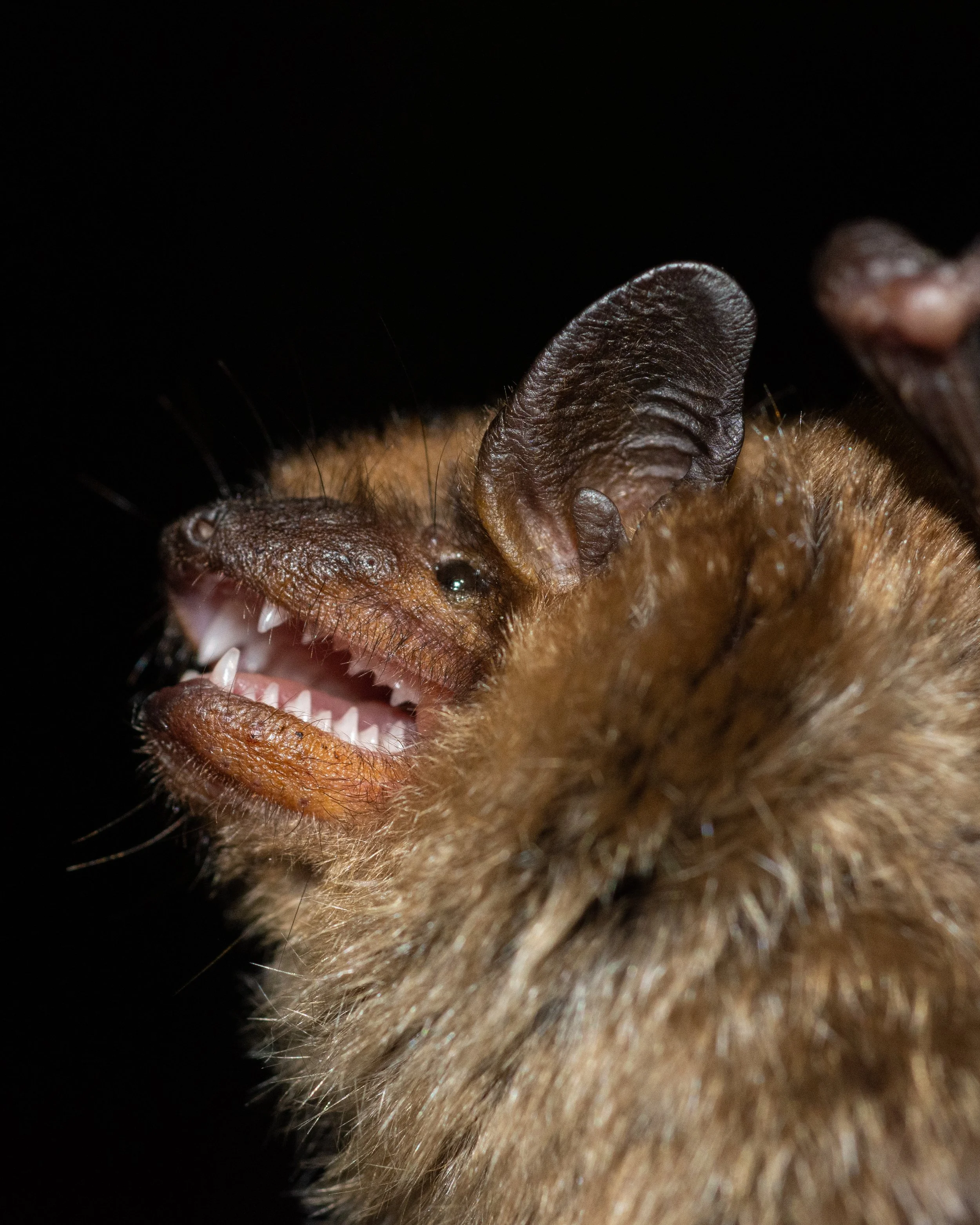
Status: not at-risk
The big brown bat is one of the most common bats found within Ontario and is our second largest bat in the province. This bat measures 9-14 cm in length and often weighs 11-25 grams. Big brown bats are a hibernating species and will often spend winter in caves, buildings, barns and mines.
There are 3 other bat species that are present in Ontario and may be found within Shawanaga. They are listed below:
Eastern Red Bat
Tricoloured Bat
Northern Myotis
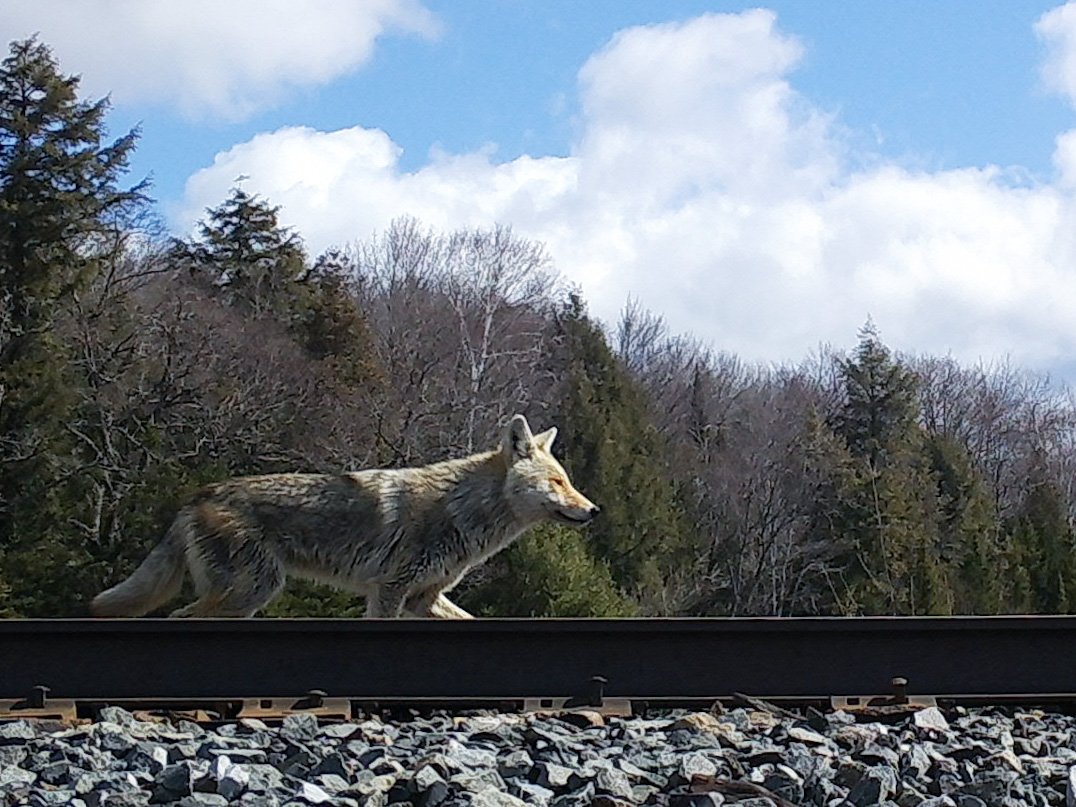
The Eastern wolf was a distinct species Native to the Great Lakes Region, but has become a complex genetic mixture via hybridization with other canid species. This is supported by analysis completed for the Western Recovery Zone Canids Project; canids in Shawanaga First Nation carry the genetics of both the eastern wolf and coyote. Some individuals in Shawanaga are predominantly eastern wolf, and others are predominantly coyote.
Eastern Wolf (Canis lupus lycaon)
Status: Threatened

The eastern wolf’s fur is typically a streaky mix of grays and browns with mixes of black and gray on the nape, shoulder and tail regions. They are pack animals with an average territory of 118-185 km squared, hunting mostly small to medium-sized prey.
Note: the above image depicts an eastern wolf in a trap for the purpose of scientific study. The proper permits were obtained to complete this work.