The Tunnels Project: Investigating Bat Use of Railway Tunnels
Project Summary
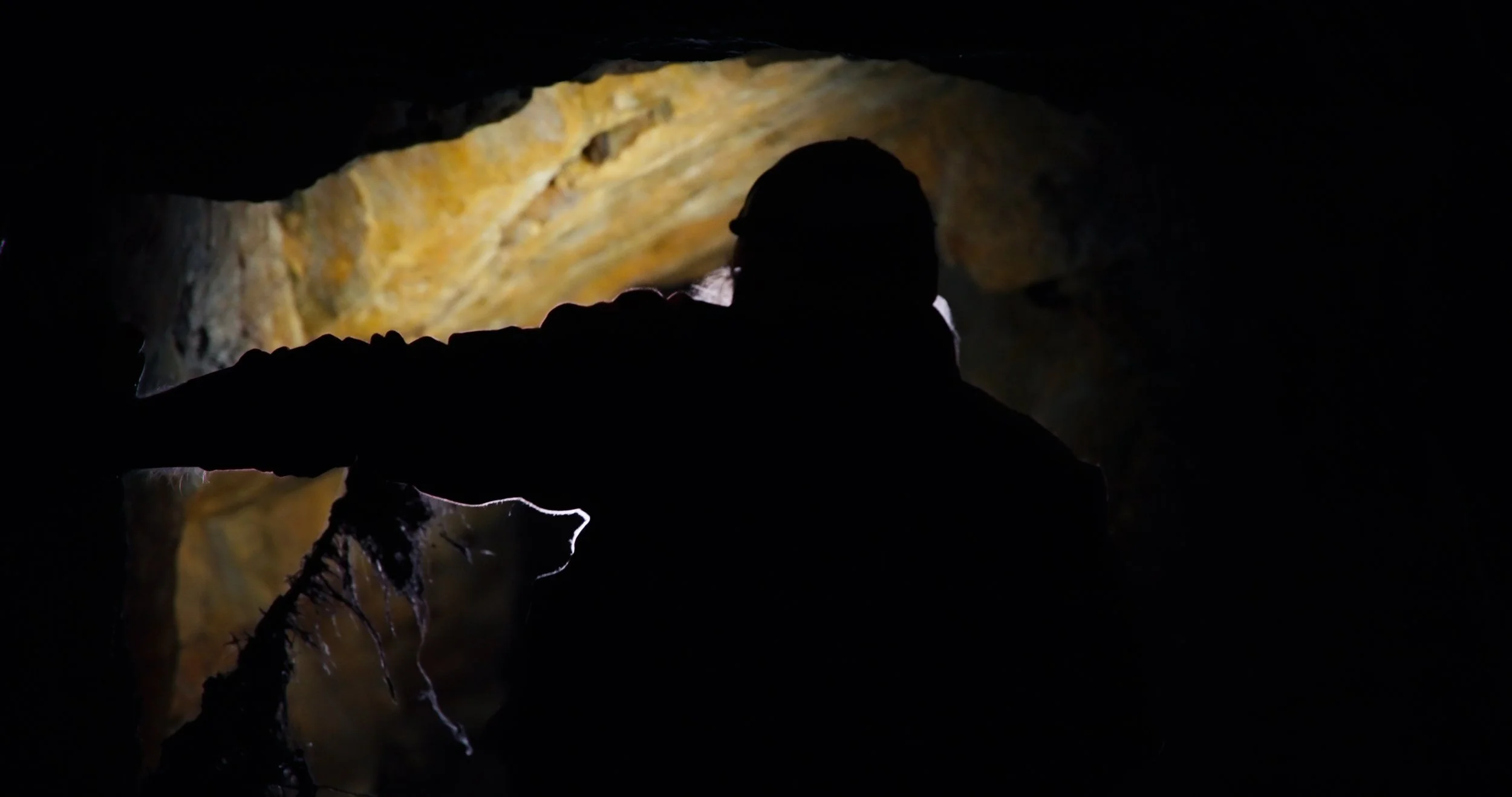
Since 2019, Shawanaga First Nation’s Species at Risk team has been leading the Tunnels Project, a long-term study examining the use of human-made railway tunnels by bats for swarming and hibernation.
These tunnels, originally built as culverts to allow water flow beneath railway tracks, were first identified as potential bat habitat through a combination of field discovery and Elder knowledge.
The Early Stages
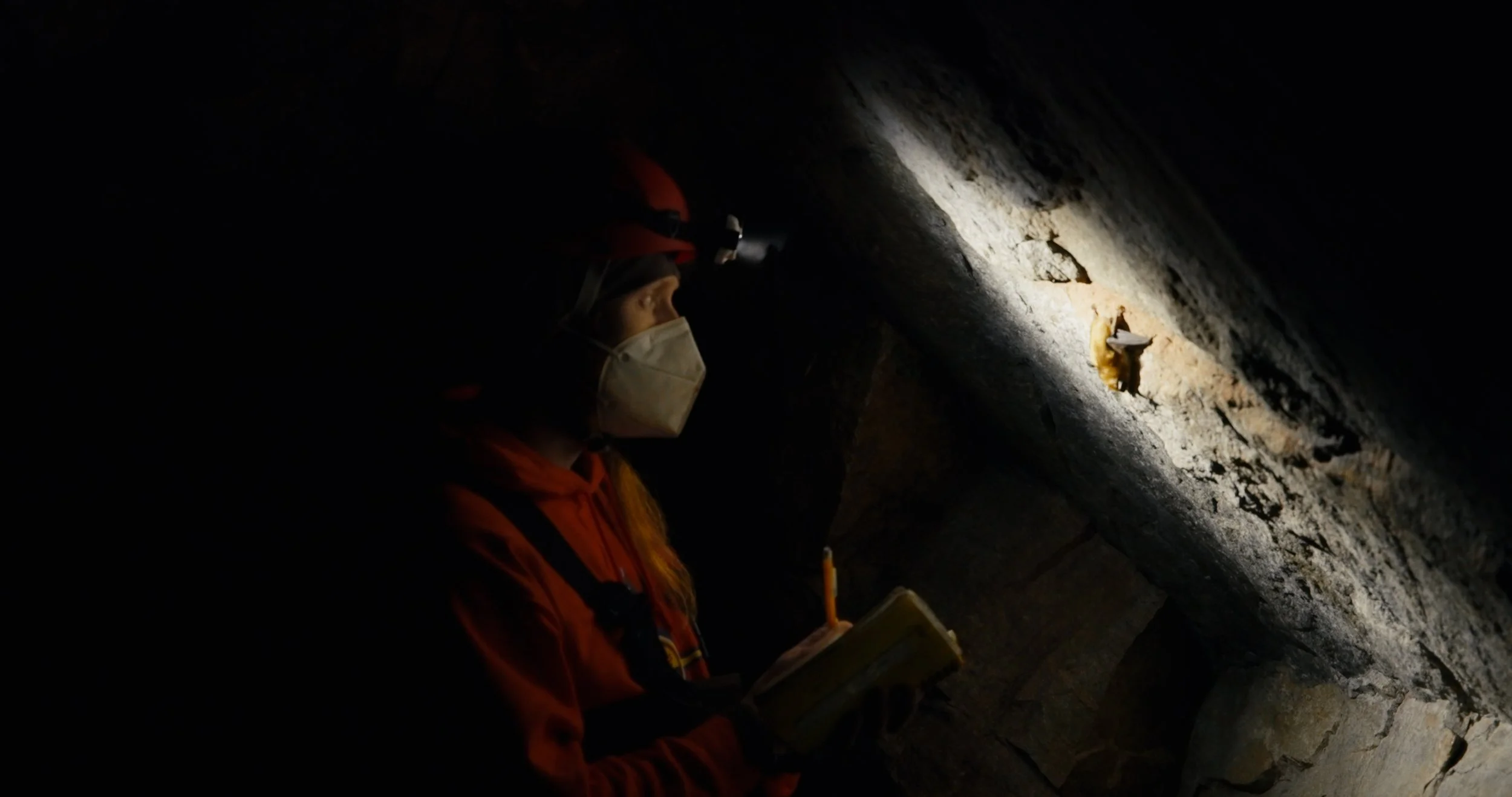
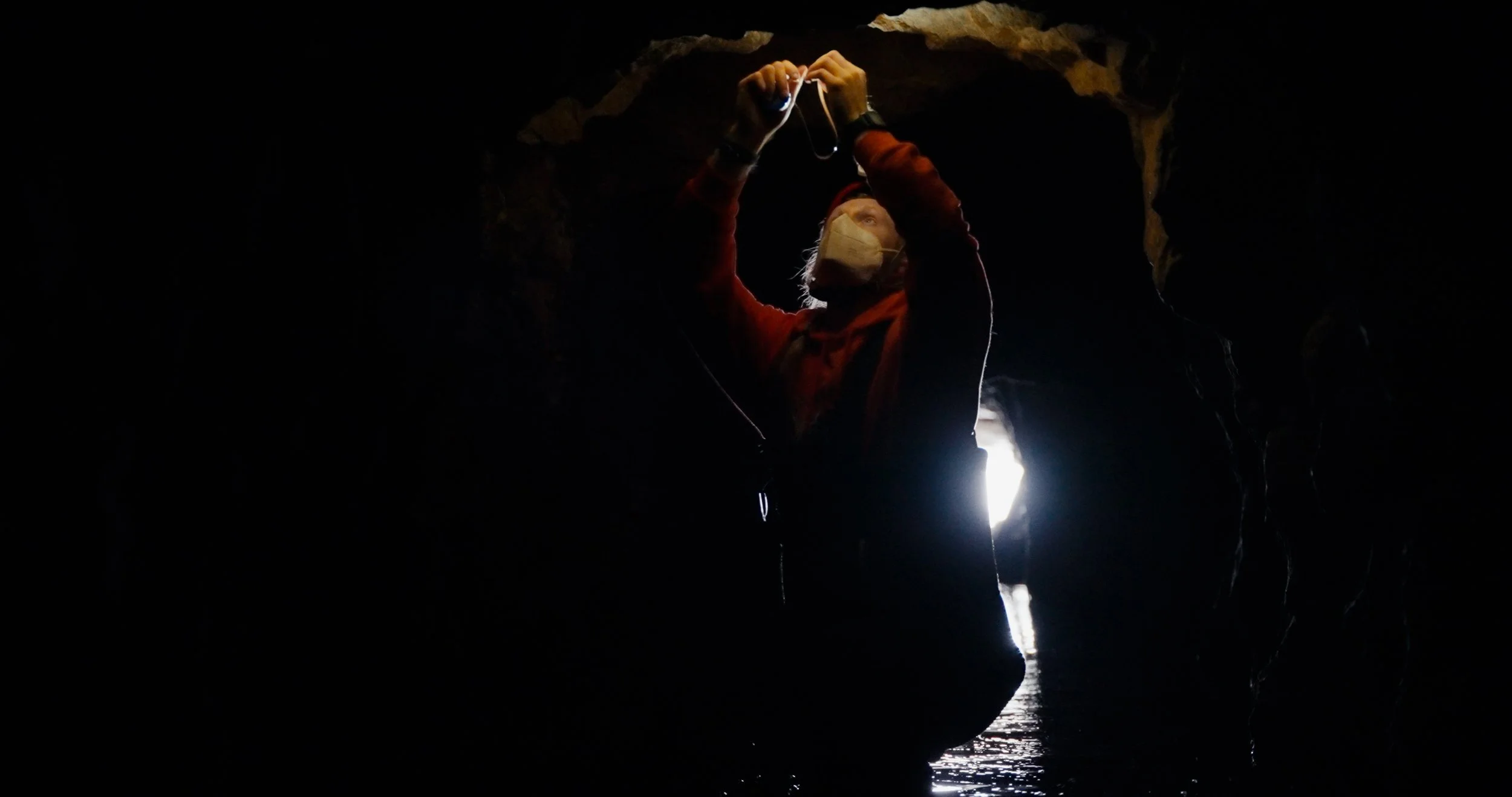
In the initial phase of the study, four tunnels were identified, and acoustic monitoring confirmed bat activity. With two years of funding, the research expanded in partnership with CPKC Railway, leading to a comprehensive survey of the railway between Shawanaga’s three land parcels. This effort uncovered over a dozen tunnels, which were characterized for size and shape, and equipped with acoustic detectors, temperature loggers, and humidity sensors. Initial findings indicated that these tunnels provided conditions suitable for bat use.
Do bats really use these tunnels?
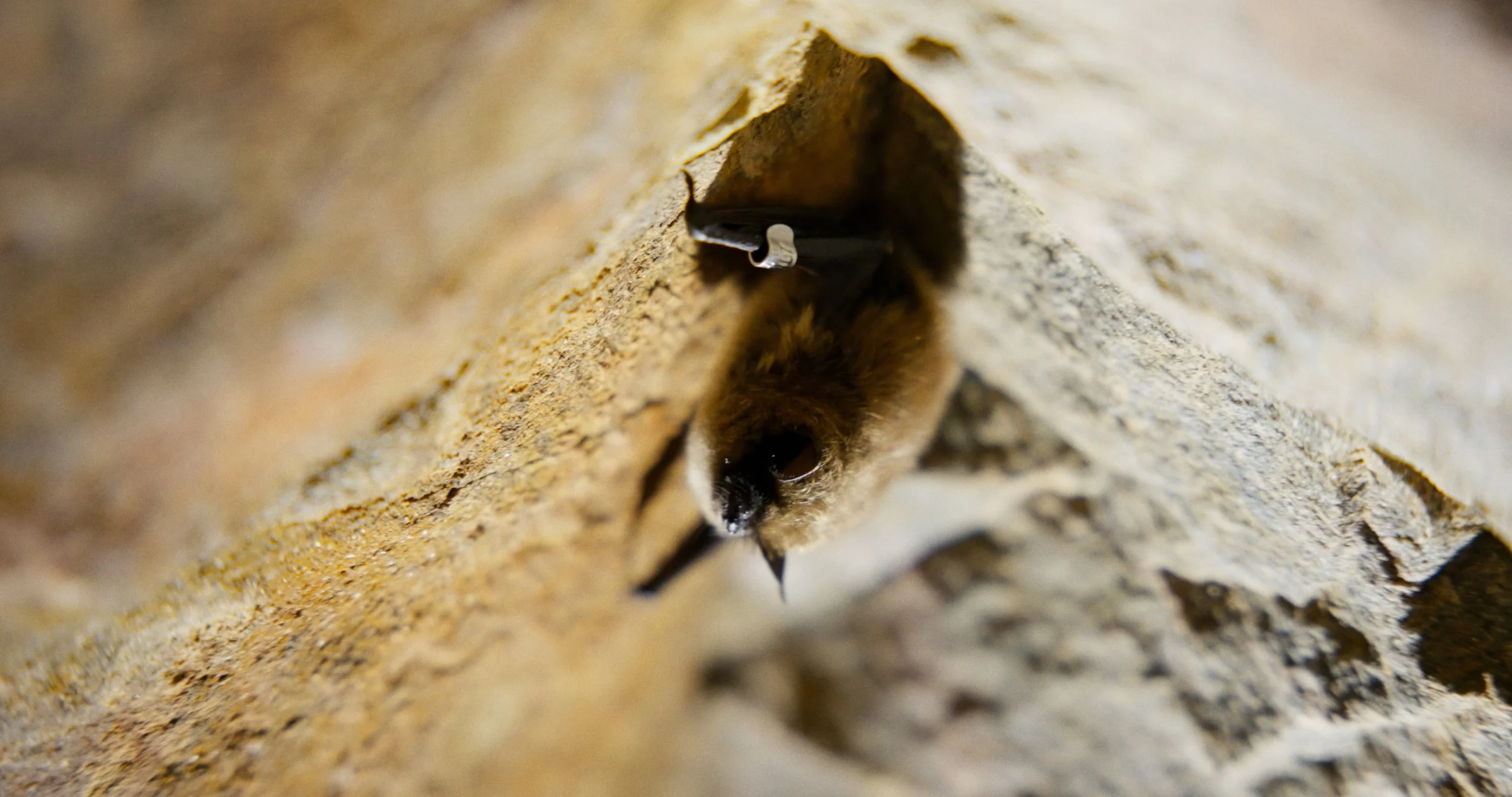
Fieldwork in late fall revealed a groundbreaking discovery—bats were actively hibernating in three tunnels, making them the first documented bat hibernation sites in eastern Georgian Bay. This discovery secured an additional three years of funding, allowing researchers to expand the study area to cover railway sections between MacTier and Sudbury. To date, nearly 30 tunnel features have been identified, with 15 accessible for monitoring and six confirmed as hibernation sites used by up to three different bat species.
Addressing Possible Threats
However, these tunnels are also critical water crossings for the railway, requiring regular maintenance to prevent flooding, often caused by beaver activity. These interventions can inadvertently impact bat habitat by altering tunnel conditions or flooding potential hibernation sites. To address this, Shawanaga First Nation is collaborating with CPKC Railway to develop Best Management Practices (BMPs) that balance bat conservation with railway infrastructure needs. The team is also exploring ways to modify tunnels to enhance their suitability for bat use while ensuring their function as water crossings remains intact.
By combining Indigenous knowledge, field research, and industry collaboration, the Tunnels Project is setting a new precedent for bat conservation in railway environments and highlighting the importance of human-made structures in supporting threatened bat populations.